Cross-posted from YWCA USA Blog.
Recent headlines have served as a painful reminder that domestic violence remains a serious issue in this country. The coverage of a few high-profile cases has sparked a much-needed national conversation, and attention to the problem and the types of supports survivors need must continue. This month is an especially appropriate time to do so.
That’s because October is both Domestic Violence Awareness Month and National Work and Family Month. The need for workplace policies, such as paid sick and “safe” days” sits at the intersection of these two critical awareness months. Paid sick and “safe” days enable survivors of domestic violence, sexual assault and stalking to get the services and assistance they need without sacrificing their jobs or their ability to afford basic expenses like food and rent.
Protecting survivors’ economic security while they seek help is critical, especially for low-wage workers. More than 12 million U.S. women and men experience domestic violence, sexual violence or stalking by intimate partners every year. And each year, survivors are forced to miss nearly eight million days of paid work. Between 25 and 50 percent of domestic violence survivors report losing a job due at least in part to the domestic violence.
Threats of job loss or financial insecurity can have dangerous consequences for domestic violence survivors, who are at increased risk of harm when they separate from their abusers, and who often stay with their abusers because they are financially dependent on them. Paid safe days help give survivors the economic stability they need to find housing, file restraining orders, attend court, receive counseling or seek other assistance.
Several states, cities and counties have passed laws that provide survivors with paid or unpaid leave to address various issues resulting from abuse, but the majority of workers nationwide still do not have these essential protections. Access should not depend on geography, and financial support is critical. That’s why it is past time for lawmakers to prioritize a federal paid sick and safe days proposal like the Healthy Families Act.
So, this month and in the months to come, let’s remind lawmakers that it’s not enough to condemn domestic violence when it makes headlines — especially when there are policy proposals that would help give survivors the financial stability they need to seek the support they need. Action is what domestic violence survivors need and deserve.
If you or someone you know is a victim of domestic violence, call the National Domestic Violence Hotline at 1-800-799-SAFE (7233).
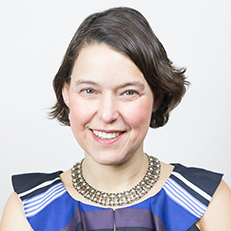
Vicki Shabo is vice president at the National Partnership for Women & Families. Shabo leads the organization’s work on paid sick days, paid family and medical leave, expansion and enforcement of the Family and Medical Leave (FMLA), workplace flexibility, fair pay and pregnancy discrimination.