U.S. Moving Pregnant Immigrant Girls to Texas To Avoid Providing Abortions, Critics Say
The Guardian, March 1, 2026
Since July, more than a dozen pregnant children have been moved to a single facility in the small town of San Benito. According to a joint investigation by the Texas Newsroom and the California Newsroom, the children kept in Texas are as young as 13, and about half are pregnant because of rape. In Texas, abortion is banned in nearly all circumstances, including rape and incest. Critics call the administration’s avoidance of providing abortion services to unaccompanied immigrant children a significant human rights violation. The move amplifies existing concerns about reproductive healthcare in immigration detention centers.

Anti-Abortion ‘Bounty Hunter’ Laws Spread From Texas Across U.S.
Rewire News Group, March 2, 2026
Idaho, Tennessee, and Kansas have adopted a novel legal tactic from Texas, using it to turn neighbors against each other and strip residents of their rights. In 2021, Texas passed SB 8, an aggressive civil law that outlawed abortion after six weeks, which relies on everyday people, not the government, to enforce the law. Shortly after, in 2022, Idaho passed an anti-abortion law that specifies that those related to one of the fetus’s parents can sue. In 2024, Tennessee passed a law that allowed the parents of a minor child to sue anyone who “intentionally recruits, harbors, or transports a pregnant unemancipated minor” to get abortion care. Kansas is applying the Texas bounty hunter approach to anti-trans legislation. The state’s new anti-trans bathroom law provides a financial incentive for people to report their trans neighbors for simply using the bathroom.
Taxpayer Dollars Flood Pregnancy Centers. Oversight Hasn’t Followed.
Nebraska Examiner, March 4, 2026
Since Dobbs, the crisis pregnancy centers have seen an infusion of taxpayer dollars in many Republican-led states. States Newsroom conducted a 50-state investigation examining state and federal budgets, as well as the tax records of these organizations, finding that while the magnitude of public funding for them is growing, oversight is not. Lawmakers are also creating tax breaks for these centers, drawing on federal sources and shifting funds meant to help low-income families to aid the anti-abortion organizations, with few regulations. Medical experts have urged lawmakers to reconsider state support, as the centers can endanger public health by delaying access to legitimate healthcare.
Medical Residency Application Rates Fell in States That Restricted Abortion
Inside Higher Ed, March 4, 2026
Application rates to medical residency programs fell on average in states that passed new abortion restrictions after the overturning of Roe v. Wade compared to states that didn’t, a new scientific paper reveals. “This is true for all medical specialties, so it’s not just women’s health that’s under threat,” said Anisha Ganguly, the study’s lead author and an assistant professor of medicine at the University of North Carolina at Chapel Hill. Ganguly said the decrease is especially pronounced in primary care and emergency medicine. About half of medical residents go on to practice in the state where they received their residency, she said.
Top FDA Drug Official Is Trying To Hire a Friend Who’s Seeking a Bold New Warning on Antidepressants
The Associated Press, March 4, 2026
The Food and Drug Administration’s (FDA) top drug regulator, Dr. Tracy Beth Hoeg, is working to hire a researcher and friend who wants the agency to add new warnings to antidepressants about unproven pregnancy risks, The Associated Press has learned. Dr. Adam Urato, a maternal-fetal medicine specialist and critic of antidepressant safety, is pressing the FDA to add a boxed warning to SSRIs, the drugs most commonly prescribed for depression. Urato’s petition says the medications can cause pregnancy complications, including miscarriages and fetal brain abnormalities that may lead to autism and other disorders in children.
ICYMI: In Case You Missed It
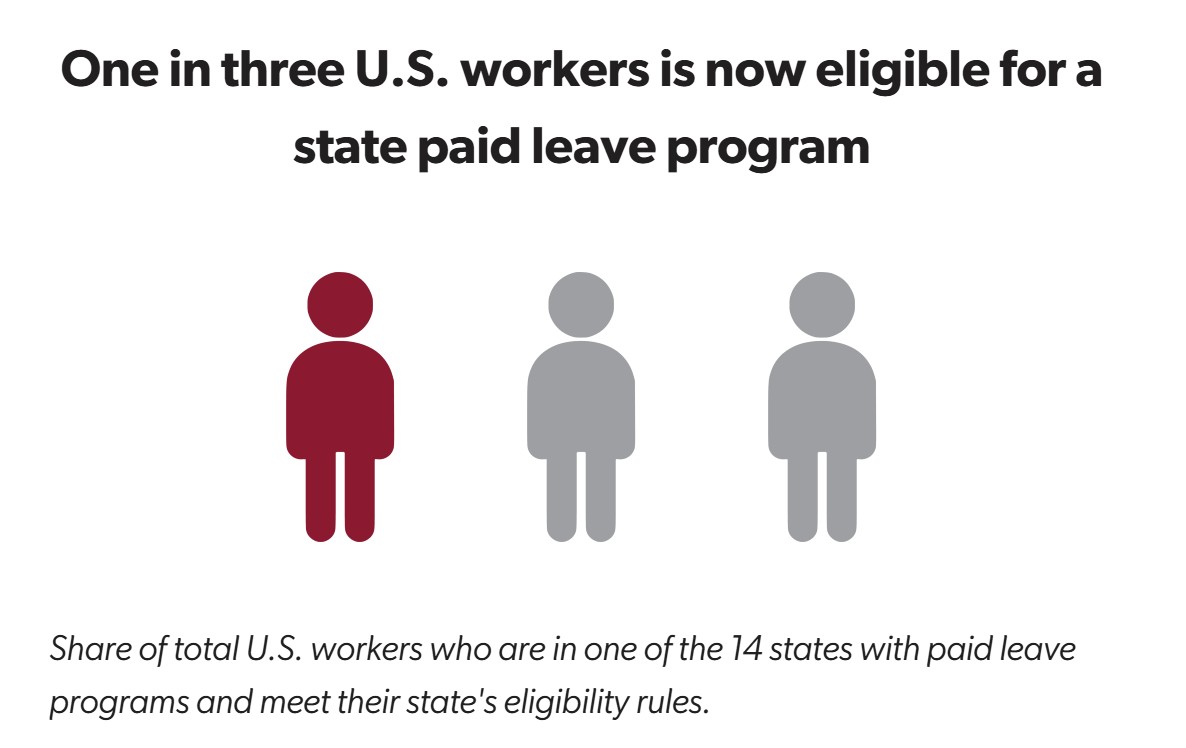
This year, three new state paid leave programs start delivering benefits to workers – allowing people to spend time with their new babies, hold the hand of their spouse who is undergoing chemotherapy, and take the time they need to recover from surgery.
We respect your privacy. Read our policy.
Note: The information contained in this publication reflects media coverage of women’s health issues and does not necessarily reflect the views of the National Partnership for Women & Families.