
Blog

There’s No Place Like (A Medical) Home

| May 23, 2012

(Read time: )

Today, fully 1/3 of our health care spending is wasted on payments for medical mistakes and poor quality care. We also have a system that values expensive technology over basic primary and preventive care, rewards volume of care over outcomes or appropriate care, and makes no distinction in payment based on quality or health outcome. But thanks to the Affordable Care Act, things are looking up.

The health care reform law is advancing a promising approach to addressing these problems: the “Patient-Centered Medical Home.” At the National Partnership, we consider medical homes to be one of the most promising models for delivering truly patient-centered care — they improve access to primary care, help coordinate patient care across settings and providers, and make patients, family caregivers and providers partners in making decisions about care.

Recently, I spoke with the American Academy of Pediatrics about the potential of patient-centered medical homes, how families can get involved in improving quality, and how practices can support patients as partners in care. Take a look!
About the Author

Lee Partridge

Lee Partridge

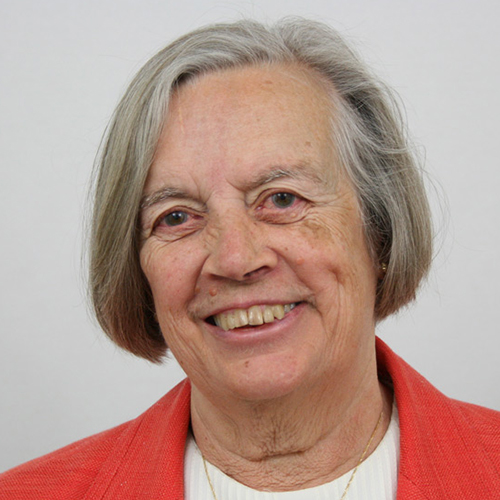
Lee Partridge is a senior health policy advisor at the National Partnership for Women & Families, where she specializes in performance measurement and quality improvement issues with special reference to lower income individuals and families. Her previous experience includes 10 years as chief of staff for the National Association of State Medicaid Directors and nine as the Medicaid director for the District of Columbia.

She has served on several performance measurement committees of the National Quality Forum (NQF), most recently its Child Health Outcomes Steering Committee. She is a member of the NCQA Clinical Program Committee and the NCQA Patient-Centered Medical Home Advisory Panel, and chaired the NCQA Medicaid Health Plan Accreditation Advisory Committee. She is also a member of the American Academy of Pediatrics Medical Home Project Advisory Panel and the AHRQ National Advisory Committee special subcommittee identifying quality measure for Medicaid eligible adults. In 2010, she was selected as the first public member of the board of the Council of Medical Specialty Societies.

She is a graduate of Wellesley College and a resident of the District of Columbia.