WASHINGTON, D.C. – September 9, 2026 – In part three of its new disability economic justice report series, the National Partnership for Women & Families shows how Trump-administration changes to the U.S. Department of Education will have lasting, harmful effects on the financial stability of women with disabilities.
The report reveals what these changes mean for the eight million students with disabilities returning to classrooms this school year, and explains how three shifts will impact their access to good jobs, and financial security as a result. The shifts named in the report are:
- Reduced federal capacity. With high numbers of people having been fired or forced out of the federal workforce, there are fewer people supporting programs and policies in states and localities that would prepare disabled students for life, and jobs as adults.
- Restructuring. Moving the Office of Special Education and Rehabilitative Services and the Office for Civil Rights also undermines the collaboration and alignment these offices have developed under one roof at the Department of Education. Advocates have spent decades working to strengthen this coordination, which is critical not only to protecting the civil rights of disabled students, but also to supporting their transition to adulthood.
- Retrenchment. Cuts to federal laws, policies and mandates that protect the civil rights of disabled people means the basic protections disabled people need won’t be in place and barriers to access won’t be addressed.
As the report explains, disabled women already experience some of the nation’s lowest labor force participation rates (share of adults who are working or looking for work), highest unemployment rates and widest wage gaps. Changes to best practices in disability education will limit disabled women’s access to good, supportive educational experiences, and therefore, provide fewer opportunities for good, stable, financially beneficial jobs.
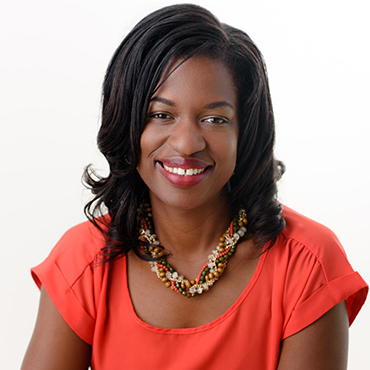
“The shifts taking place may seem minute, but for disabled people they are massive, and they reverse the decades of work spent building supports for disabled students, while exacerbating the already-difficult challenge of building wealth,” said Taryn Williams, senior fellow for disability at the National Partnership for Women & Families. “What this administration has done has broken the federal government and its understanding of its responsibility to advance opportunity for people with disabilities. We will continue to push to re-strengthen the connections between education, workforce development, vocational rehabilitation and civil rights enforcement.”
The first two parts in the series, released earlier this year, covered the Trump administration’s attacks on disabled women’s economic security overall, and on data and research. The National Partnership has two additional reports planned for later this year, one during Disability Awareness Month in October.
# # #
Media Contact:
Gail Zuagar
Email
202-986-2600