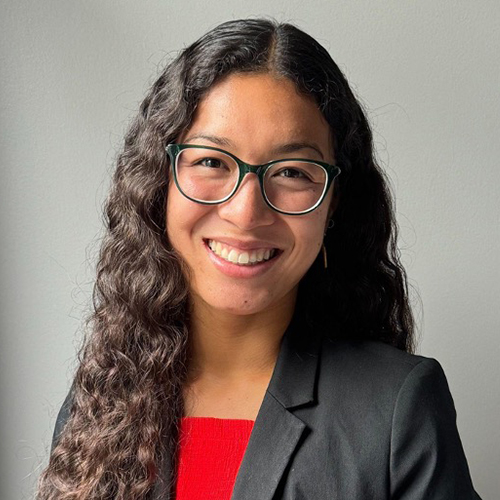
The grim reality that 60-80% of Pacific Islander women experience sexual violence is what led me to domestic violence prevention and to become a reproductive rights advocate. Growing up with Polynesian women who experienced violence and working on domestic violence prevention and Indigenous land rights brought to light for me that intimate partner violence and colonization are always reproductive justice issues.
U.S. colonization is the domination of Indigenous people’s bodies and ancestral lands. The current high rates of gender-based violence against our girls and women are rooted in the fact that rape, trafficking, and reproductive violence were an essential part of colonialization. Native girls in the islands and on the continent were treated as sexual objects that one could own, dispossess, and take. Restrictions on reproductive rights, gender-based violence, and colonization all stem from the desire to control marginalized people’s bodies and lives—stripping them of freedom and self-determination.
Dispossession of bodies and lands
Domestic violence, colonization, and bans on reproductive health care all center on maintaining power and control over someone’s autonomy. State/territory bans on abortion care are designed to police pregnant people’s bodies. The goals of colonization and the aims of people who cause intimate partner violence are the same. Domestic violence involves a person using forms of abuse to have power and control over their partner. And colonization is an ongoing process of domination in efforts to control Indigenous people. Far too many girls and women experience these forms of state, interpersonal, and colonial control simultaneously.
Many Indigenous women and survivors-victims live in a part of the U.S. where they have limited access to abortion care, or their state/territory bans abortions. Research from the National Partnership for Women & Families shows that nearly a quarter of all Asian American, Native Hawaiian, or Pacific Islander women of reproductive age (1.2 million women) and 37% American Indian and Alaska Native women of reproductive age (270,000 women) live in the 22 states where abortion is banned or under threat. This data does not include the roughly quarter of a million people living in the Northern Mariana Islands, Guam, and American Sāmoa that have large Indigenous populations and have some of the strictest abortion laws in the country. And even before Dobbs, Indigenous pregnant people could not easily access abortion care. Most islands did not (and still don’t) have an abortion provider and the Hyde Amendment has banned federal funding for abortion care, including for those with health care coverage through Medicaid and health services from Indian Health Service. Gestational bans, waiting periods, parental notification laws, and reason bans further restricted abortion access—and continue to do so today.
Abortion restrictions and bans are especially dangerous for Indigenous girls and women in light of the maternal health crisis. American Indian and Alaska Native women are more than twice as likely to experience pregnancy-related deaths compared to white women. And Native Hawaiian or Pacific Islander people are nearly five times more likely to experience pregnancy-related deaths compared to white people. Abortion bans impact all pregnancy care – exacerbating provider shortages and the inaccessibility of high-quality maternal health care, and in turn, worsening health outcomes for Indigenous women.
Reclaiming safety and reproductive autonomy
Reproductive rights advocates cannot work towards a world where all pregnant people have access to high-quality and dignified healthcare without understanding how intimate partner violence, colonialism, and abortion bans continue to act as barriers to this vision. As experts in our cultures, Indigenous people understand the significance of self-determination when it comes to how we govern ourselves, protect our ancestral lands, practice our traditions, and maintain our health. Our communities must hold the same to be true for Indigenous girls and women because we deserve that freedom. And as experts in our bodies and experiences, Indigenous girls and women deserve agency over the deeply personal decision to seek abortion care and control over the kind of life we want to live, free from violence and oppression.
The National Partnership for Women & Families calls on policymakers to reject bans and expand abortion access, like passing the Equal Access to Abortion Coverage in Health Insurance (EACH) Act, which would ensure those who receive health care or insurance through the federal government have coverage for abortion care. Additionally, we urge governments to honor Indigenous birthing and abortion practices that communities used to maintain their health long before the creation of the United States. Congress must also reauthorize Violence Against Women’s Act (VAWA) and include amendments that further expand gender-based violence services and prevention resources for Indigenous people.
Lastly, we must reimagine what caring for our communities looks like. I was very lucky to grow up with two grandmas who taught me that we exist on this earth with each other, the land, oceans, and other beings. They showed me that caring for each other is essential to our existence. A lot of us carry the stories of our mothers, grandmas, sisters, aunties, and cousins with us. People we know and love experience violence and oppression, and we all must support each other to keep us safe. In the context of abortion access, this can mean supporting abortion funds that help people in our communities get the care they otherwise can’t afford on their own, and engaging in other mutual aid efforts. From the Native communities living on the Pacific Islands to the East Coast, our collective work towards a world where our girls can live free from interpersonal, reproductive, and colonial violence is interconnected.
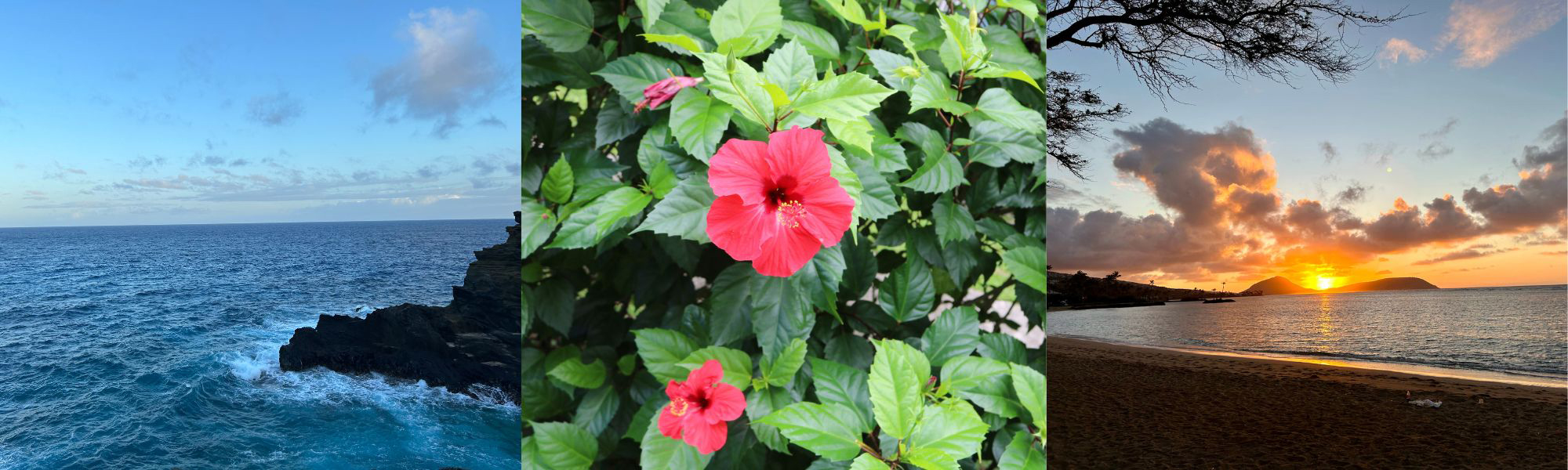
Images from the Pacific Islands by Jamie Floyd
Author’s Note:
Writing this blog post during Domestic Violence Awareness Month and in honor of Indigenous Peoples’ Day gives me a chance to thank the Sāmoan women in my family who cared for me and continue to watch over me. It also provides me the opportunity to thank and honor the Nacotchtank (Anacostan), Piscataway, and Pamunkey Peoples who have taken care of the lands where the National Partnership for Women & Families exists. This blog is a product of the meaningful and invaluable contributions of Ashley Kurzweil, Jaclyn Dean, and Erin Mackay.
Pacific Islanders are the Indigenous Peoples of the Pacific Islands, including the three U.S. territories (Guam, Northern Mariana Islands, and American Sāmoa) and one state (Hawaiʻi). Along with Pacific Islanders living in the United States, there are 574 federally recognized Tribes and approximately 400 Tribes not recognized by the federal government in the continental United States. Despite vast differences among Indigenous communities in the United States, we all share a history of attempts by the United States to control, erase, and/or dominate our existence.