Medicaid Billing Allowed To Resume For Planned Parenthood After Being Cut Off
The Guardian, July 7, 2026
Planned Parenthood and two smaller regional abortion providers are resuming billing Medicaid for services other than abortion after being cut off for most of a year. The defunding, which was mandated in Donald Trump’s big tax and spending legislation in July 2025, has been blamed for the closure of multiple clinics as well as a reduction in the number of Planned Parenthood patients being screened for breast cancer or tested for sexually transmitted infections. The Medicaid billing was allowed to resume on Sunday. The restored funding does not mean the battle over federal abortion policy has ended – and not all services that were cut will return.

Abortion Medication, HPV Vaccine Laws Take Effect Wednesday In Three States
Ohio Capital Journal, July 6, 2026
Several laws restricting access to medications that can be used to terminate a pregnancy and others placing limits on minors’ access to sexual and reproductive healthcare — including the HPV vaccine — take effect Wednesday, July 1, in Iowa, Mississippi and Tennessee. Many bills were considered in state legislatures earlier this year that would have added legal restrictions to mifepristone and misoprostol, but only a few made it into law. The 13 states that have near-total abortion bans already have restrictions in place, but some have proposed more in the wake of new methods of obtaining the medications online or by telehealth.
Red And Blue States Pass Laws To Protect Contraception Access
Stateline, July 7, 2026
The Trump administration has rolled back teen pregnancy prevention grants and repurposed a program designed to reduce unintended pregnancies so that it promotes childbearing. But several states, including Republican-led ones, have protected or expanded access to contraception in recent months. Georgia, Maryland, Tennessee, and Virginia all have recently enacted laws that promote access to contraceptives.
Ten Years After Tennessee Sunset Historic Fetal Assault Law, Harmful Impacts Remain
Nashville Banner, July 8, 2026
It was 2014 when Tennessee passed the first law in the U.S. that directly allowed people to be prosecuted for drug use during pregnancy. Senate Bill 1391 was a bipartisan measure that became the “fetal assault law,” under which those arrested and charged faced a penalty of up to 15 years in prison and loss of custody of their child… That law was sunset in 2016. But over the course of those two years, 124 women, as reported by SisterReach, were arrested, primarily Black and white women in urban and rural areas spanning East and West Tennessee. Although the law hasn’t been in effect for 10 years, there have been several efforts in the Tennessee legislature to bring it back, and advocates say the fallout continues for the families who were impacted by it.
Walking Through the Door Dobbs Left Open: A Groundbreaking Idaho Case Tests Whether the Constitution Protects a Pregnant Woman’s Right to Self-Preservation
Ms., July 5, 2026
A federal district court in Idaho last month heard a groundbreaking challenge to Idaho’s total ban on abortion—which includes an exception only to prevent the death, not to protect the health of the pregnant person, making it one of the strictest criminal abortion laws in the country. The case was brought by a legal team from the Lawyering Project and Legal Voice on behalf of Dr. Stacy Seyb, a maternal fetal medicine specialist. Seyb wishes to continue providing “abortion care to his patients with serious medical needs,” such as when “pregnancy-related complications jeopardize the pregnant person’s health” or “the embryo or fetus is diagnosed with a fatal or grave condition or miscarriage is inevitable.” Crucially, he hopes to provide this care “without fear of prosecution or professional discipline.”
ICYMI: In Case You Missed It
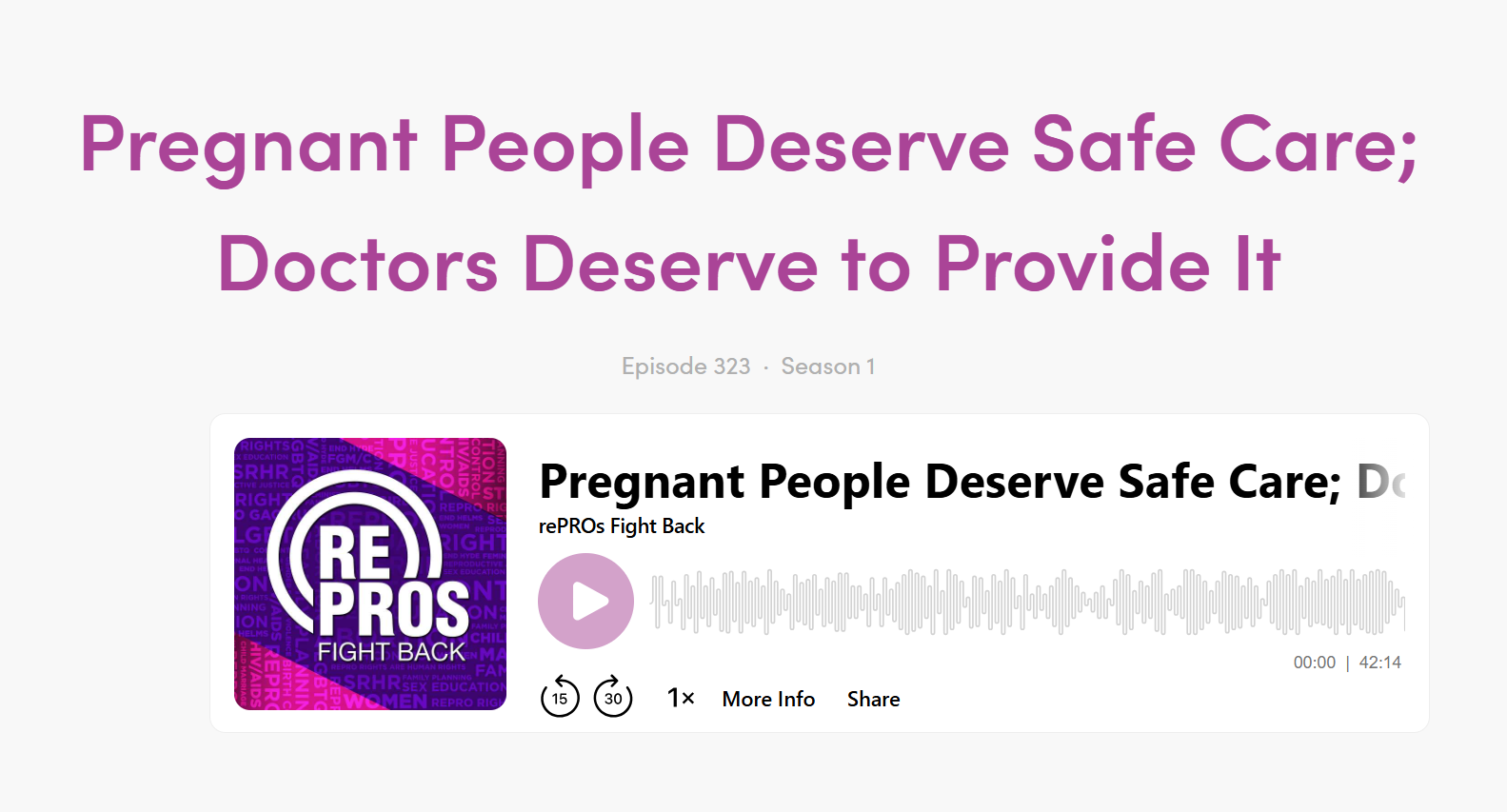
The Emergency Medical Treatment and Active Labor Act (EMTALA) is a federal law that protects the right to emergency healthcare, including abortion. There has been, post-Dobbs, a clash between these federal protections and states with abortion bans. Amani Echols, Senior Policy Analyst for Maternal Health at the National Partnership for Women and Families and Ashley Kurzweil, Senior Policy Analyst for Reproductive Health and Rights at the National Partnership for Women and Families, sit down to talk with us about this unleashing of chaos and confusion around whether and when emergency abortion care is permitted. Listen to the podcast episode from rePROs Fight Back.
We respect your privacy. Read our policy.
Note: The information contained in this publication reflects media coverage of women’s health issues and does not necessarily reflect the views of the National Partnership for Women & Families.