Florida Governor Rick Scott handed the organized business lobby a victory today, and the losers are workers, local governments and the fundamental principle of democracy in Florida.
Florida Governor Rick Scott handed the organized business lobby a victory today, and the losers are workers, local governments and the fundamental principle of democracy in Florida.
1963 was a year of great change for our country. Martin Luther King, Jr., said the words “I Have A Dream,” President John F. Kennedy and civil rights activist Medgar Evers were assassinated, Betty Friedan’s Feminine Mystique first hit bookstore shelves and the Equal Pay Act was signed into law.

Monday marks the 50th anniversary of the Equal Pay Act — a 1963 law aimed at closing the gap between the wages of men and women. But, despite this landmark law, a significant gender-based wage gap persists.

At the National Partnership, we have been working for more than 40 years to make the country’s workplaces more fair and family friendly. That’s why we were proud to partner with a strong coalition of policy experts, business advocates and lesbian, gay, bisexual and transgender (LGBT) organizations today to release A Broken Bargain: Discrimination, Fewer Benefits and More Taxes for LGBT Workers.
The success and progress of paid sick days campaigns in Portland, Ore., and New York City have added to the momentum around this common sense policy and sparked new campaigns and progress in other states and cities.
“For everything you’ve taught me…” “For always being there…” “For all the sacrifices you’ve made… thanks, Mom.” These and messages like them are what mothers across the country will be reading in greeting cards and hearing from loved ones this weekend. But, for mothers who hold jobs, one reality is missing from these heartfelt sentiments.
Last month, I wrote about a disturbing trend: States are passing “preemption” laws that prohibit a growing number of cities and counties from adopting their own paid sick days standards.
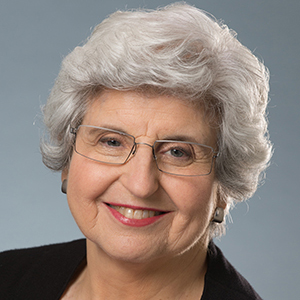
Today, I had the honor of testifying before the U.S. Equal Employment Opportunity Commission (EEOC) on a topic of critical importance to our nation’s workers: employer wellness programs.
In a major victory in the effort to increase access to paid sick days, the New York City Council has passed a measure that would guarantee approximately one million workers the right to earn the paid sick time they need.
Working people today face serious challenges when it comes to managing job and family: Nearly 40 percent of workers in the private sector — and more than 80 percent of those who are low-wage workers — cannot earn a single paid sick day. Forty percent of all workers have no access to even unpaid leave under the Family and Medical Leave Act when serious personal or family medical needs arise.
Floridians are the latest state residents to fall victim to an underhanded and harmful effort to undermine democracy across the country.
The United States is the only industrialized nation that does not guarantee some type of paid time off for employees, despite ample evidence that paid leave policies benefit workers, businesses, and the economy.
While the Family and Medical Leave Act (FMLA) has helped more than 100,000 families take the time they need to care for their families, a striking 40% of the U.S. workforce isn’t eligible for the 12 weeks of unpaid leave the FMLA provides because their employers have fewer than 50 employees, or because they haven’t been working for their employers for at least a year and put in a minimum of 1,250 hours.
This year marks the 20th anniversary of the Family and Medical Leave Act (FMLA) — a law that has allowed millions of mothers, fathers, adult children, and other hardworking people to care for their health and their families without having to worry about losing their jobs or their health insurance.
Susan, a single mother in Missouri, has a 10-year-old son who has pneumonia. She wants to stay home and care for him, but she cannot because her boss refuses to let her take the day off and she is terrified that, if she misses work, she will lose her job.
It’s that time of year again. A time when those of us who are committed to achieving equality for women are reminded of the work left to do.
From Vermont and New York City to Washington state, momentum and support for paid sick days policies are high.
As health care purchasers, consumers, and decision makers for ourselves and our families, women are keenly interested in wellness and preventing illness.
If our budgets reflect our priorities, what does Paul Ryan’s budget say about our country, how much we value women and our compassion for the most vulnerable among us? Nothing good, I am afraid.
Just moments ago, the Portland City Council voted unanimously to approve an ordinance that will let tens of thousands of workers in Portland earn the paid sick days they need.