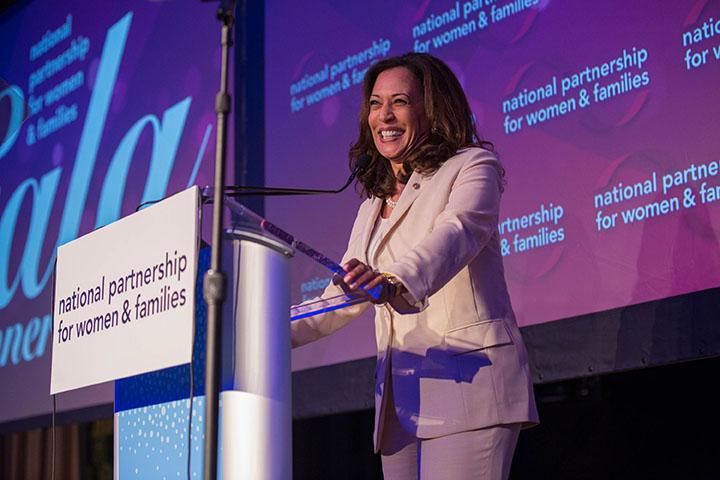
“Cheered by a decisive win for abortion rights in a Kansas vote and eyeing November midterm elections, the White House is launching a push for abortion access that aims to influence men as well as women, sources with direct knowledge told Reuters.”
“Cheered by a decisive win for abortion rights in a Kansas vote and eyeing November midterm elections, the White House is launching a push for abortion access that aims to influence men as well as women, sources with direct knowledge told Reuters.”
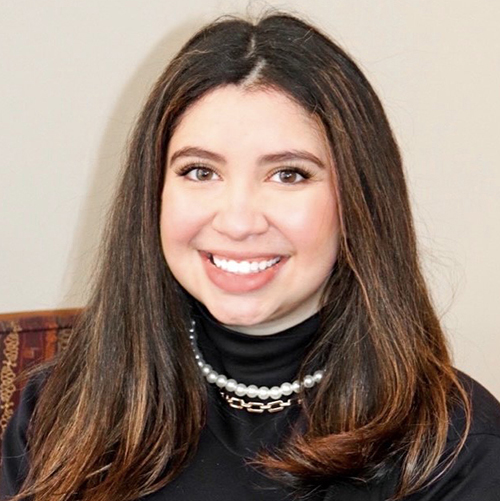
Ethical shopping is one of the most significant ways in which economic justice can be shown to the LGBTQ+ community, and is not something that should be limited to the month of June. Consider these ethical shopping practices to ensure that the LGBTQ+ community, especially LGBTQ+ workers, are placed at the forefront of your shopping cart.

Two years ago today, the Supreme Court issued a decision in the landmark case, Bostock v. Clayton County, which ruled that that workplace discrimination based on sexual orientation or transgender status violated Title VII of the Civil Rights Act. While many LGBTQ+ advocates celebrated this decision as a monumental step forward, the question remains whether the lived experiences of real people have truly changed for the better since the ruling.

Acknowledging the unique wage gap between white men and AANHPI women is more important than ever, and forces us to take a closer look at the many myths and barriers in the way of achieving pay equity for AANHPI women in particular.

Why observe Equal Pay Day, year after year, if it’s such a bummer? Because the wage gap is a way of talking about the tangible consequences that sexism and racism in our economy have on women. And it touches so many women year after year, no matter their occupation, education level or age.

As the nation looks to President Biden’s first State of the Union address tonight, there’s no shortage of pressing topics to cover. At the same time, we could all use a momentary reprieve from the deluge of overwhelming news. Enter: our take on Wordle for this very occasion.
February 5th will mark the 29th anniversary of the Family and Medical Leave Act (FMLA); legislation that the National Partnership was essential in passing in 1993 to ensure working people can take the time they need to care for themselves and their loved ones. Paid leave is fundamentally tied to other economic battles: equal pay and equitable healthcare to name a few. Build Back Better had the potential to ensure paid leave would be accessible to all. The momentum to support our labor force was there, yet partisanship and skepticism on the expenses of this type of program got in the way of providing paid leave for people that need it most.
Enacting a paid family and medical leave policy as part of the Build Back Better package is critical to closing the longstanding systemic inequities that impact women and people of color.
Paid family and medical leave is an indispensable benefit that all working people need and deserve.
Black and brown people in D.C. have seen some of the worst racial disparities in COVID-19 deaths and vaccinations in the country. At the same time, the national economic fallout of the pandemic hit communities of color the hardest: people of color, particularly women, disproportionately worked in industries hit by pandemic-related closures, layoffs and reduced hours. And that is on top of the longstanding health and economic racial disparities that already existed before the pandemic.
National Immigrant Heritage Month is an opportunity to recognize the exceptional historic contributions immigrants have made in this country, or perhaps for some, even grapple with anti-immigrant attitudes and rhetoric that continue to marginalize and scapegoat those communities.
Black women face a unique struggle at the intersection of race and gender as it pertains to advancing their professional careers. They are systematically held at specific positions or levels in the workplace, and not always given opportunities to advance. My story is similar.
Sunday marks our second pandemic Mother’s Day, and more than a year of financial, health, and familial chaos for mothers across the country.
In many ways, Biden has women — and especially women of color — to thank for his victory in the 2020 election. And by selecting the first woman and person of color to serve as Vice President and nominating a record number of women, including nine women of color, to his cabinet, the Biden Administration has signaled a willingness to prioritize women and the issues that impact us.
These Black women are mothers of movements, icons, and leaders with their own rich history of defiance that young Black people, like me, are able to benefit from.
As the United States sees an increase in COVID-19 cases across the country, millions of people are set to lose the critical benefits that Congress enacted — including emergency paid sick days and paid family leave. Three out of four rural voters support permanent legislation mandating paid sick and paid family leave programs.

Kamala Harris is the first woman, Black, Asian American vice president-elect! I have chills.
Here at the National Partnership we know that democracy can get messy, and that it can take time. Every vote counts so it is vital that our nation takes the time to count every vote.
“Poderosos” is a Spanish word often used in the Latinx community to describe our power and strength. It is a word that characterizes our resilience in a country where we often experience discrimination and alienation.
Today is the Strike For Black Lives, a historic day where we unite to fight for a world where Black lives are valued and Black workers can build economic power. Thousands of workers are striking and demanding justice today.