
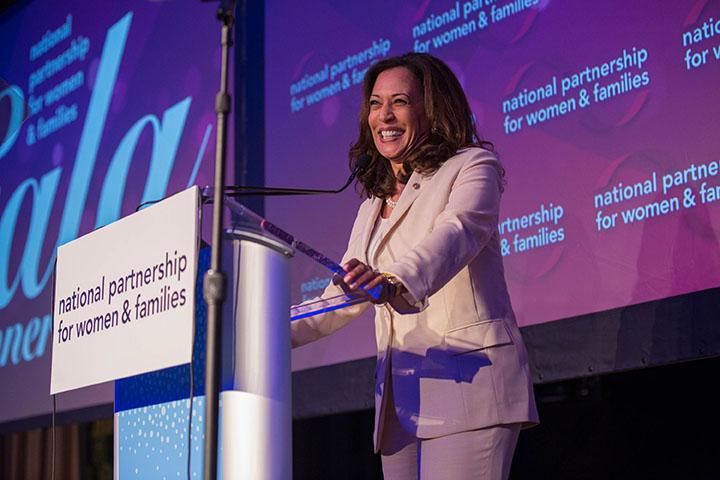




Regulations implementing the Pregnant Workers Fairness Act would protect 2.8 million pregnant workers WASHINGTON, D.C. – April 26, 2024 – The National Partnership for Women & Families is calling out the recent partisan lawsuit led by 17 states to...



Did the economy deliver for women in 2023? Will it in 2024? | #JobsDay January 2024
The economy ended 2023 strong, but women of color are not getting their fair share.
In the Year of the Union, Black women and Latinas lead union growth in 2023
Latinas see the largest increase in union membership rates among women despite little change in overall share of union membership.
The Economy Holds Steady in November as the Child Care Sector Continues to Struggle | #JobsDay December 2023
The November Jobs Report shows a steady economy heading into 2024, though the child care sector continues to lag behind overall job growth.

New Census proposal would reduce the number of disabled women and girls counted by nearly 10 million
A new proposal from Census would change the definition of disability in the American Community Survey, reducing the official count of disabled people by 40 percent. This change could have significant implications for supports for disabled people.

Why we’re launching the Women 2024 Action Fund this Giving Tuesday
We’re launching our new Women 2024 Action Fund this Giving Tuesday because women cannot continue bearing the brunt of Congress’ dysfunction and inaction.

Inequality Didn’t Just Happen… It Was By Design. It’s Time to Return to Our Values and Return to the Heart.
Equal pay is one marker of the multitude of inequalities Native women face. We are a young democracy as an American government that can still learn from the values of its Indigenous people who cultivated and cared for this land since time immemorial, sustaining it for generations to come.

How the Wage Gap Persists Beyond Working Years, Especially for Black and Latina Women
Many don’t realize the gender wage gap continues to impact women beyond working years. With longer life expectancies than men, the gender wage gap quickly turns into a retirement income gap, meaning women have fewer resources to stretch over longer periods when they may be unable to work or more vulnerable to health complications.
Warning Signs in the Latest Jobs Report – and a Chance for Congress to Save Child Care | #JobsDay November 2023
The October Jobs Report data offer some clear warning signs about the state of the country’s economy – and underscore the need for Congress to act to save child care.
The Child Care Funding Cliff Has Been Centuries in the Making
Our country’s child care sector is historically underpaid, underfunded—with some workers even excluded from the full protections provided in our labor and civil rights laws—because its burdens are borne by women of color.
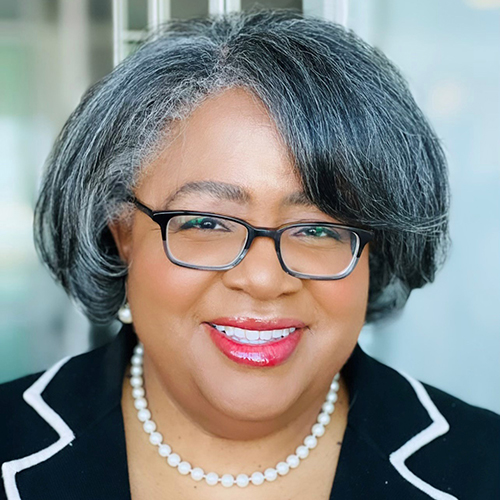
Expanding Care Investments Is Not A Secondary Luxury; It Is An Urgent Issue: My Testimony Before the Senate Finance Committee.
On October 25, 2023, NPWF President Jocelyn Frye delivered the following opening statement before the U.S. Senate Finance Committee at a hearing entitled: “Exploring Paid Leave: Policy, Practice, and Impact on the Workforce." Watch my opening remarks before the Senate...
Black women’s labor force participation continues to decline| #JobsDay October 2023
Black women’s and men’s labor force participation continues to decline since the spring, while the rates for men and women overall are steady or higher.
Don’t let right-wing extremists speak for you
Right-wing extremists are so obsessed with sending women back to the dark ages that they are now attacking the commonsense Pregnant Workers Fairness Act, a bipartisan law that took effect in June.

Last Year’s Supreme Court Term Was a Mockery of Justice. Here’s What’s at Stake in the Next Term.
A glimpse of what’s at stake in the upcoming Supreme Court term and a recap of the highlights (and lowlights) of last year’s term.

When We Fight, We Win – Paid Sick Days and Paid Family Leave
The United States is still a country of haves and have nots when it comes to essential family-supporting benefits like paid family leave.
Disabled women face unique barriers at work. Our systems transformation guide seeks to address them.
To the extent a disabled woman can work and chooses to work, barriers to employment and work are some of the many deliberate policy choices that prevent disabled women from achieving economic security.
At the March on Washington, Black women were sidelined. 60 years later, the need to center Black women is as urgent as ever
As America marks the 60th anniversary of the March on Washington for Jobs and Freedom, one controversy we should not overlook is how Black women leaders — who made vital contributions to the movement as organizers, strategists, and frontline foot soldiers — were relegated to a limited, single speaking segment at the March.
What Does Real Paid Leave Look Like?
How to know whether a paid leave proposal will meaningfully increase access for the people who need it most, or whether it is just a false promise.

“Hot Strike Summer:” How Increased Union Actions Stand to Benefit Women Workers
Unions play a significant role in helping women, especially women of color, by minimizing the pay gap through strengthening negotiating positions and providing transparent pay scales.

Moms’ Equal Pay Day Spotlight: Single Mothers, Poverty, and the Wage Gap
Single mothers work hard, yet sometimes hard work is simply not enough. Thanks to a myriad of structural, cultural and organizational barriers moms face to employment and career advancement, mothers are paid only 74 cents for every dollar paid to fathers – single moms are hit hardest by this gap.
Women’s unpaid caregiving is worth more than $625 billion – and it could cost more
Women in the United States do twice as much caregiving as men, though both men and women face financial burdens due to unpaid carework.