Latinas see the largest increase in union membership rates among women despite little change in overall share of union membership.

Latinas see the largest increase in union membership rates among women despite little change in overall share of union membership.

A new proposal from Census would change the definition of disability in the American Community Survey, reducing the official count of disabled people by 40 percent. This change could have significant implications for supports for disabled people.

Many don’t realize the gender wage gap continues to impact women beyond working years. With longer life expectancies than men, the gender wage gap quickly turns into a retirement income gap, meaning women have fewer resources to stretch over longer periods when they may be unable to work or more vulnerable to health complications.
Black women, in particular, are no strangers to traumatic experiences or being forced to be “strong” and “resilient” in the face of said trauma and, yet, somehow, finding joy anyhow. This is especially true for Black maternal health.
Given the increased economic resources required to access abortions in many communities post-Dobbs, Latinas in these 26 states who face large wage gaps are particularly likely to be harmed.

The recent upheaval of affirmative action in higher education will harm patients of color. This harm could be particularly pronounced for patients of color with rare diseases, who are systematically undiagnosed, misdiagnosed, and left to fend for themselves in an overwhelmingly white medical system.

Unions play a significant role in helping women, especially women of color, by minimizing the pay gap through strengthening negotiating positions and providing transparent pay scales.

Single mothers work hard, yet sometimes hard work is simply not enough. Thanks to a myriad of structural, cultural and organizational barriers moms face to employment and career advancement, mothers are paid only 74 cents for every dollar paid to fathers – single moms are hit hardest by this gap.
Women in the United States do twice as much caregiving as men, though both men and women face financial burdens due to unpaid carework.
Today’s jobs report comes on the heels of Black Women’s Equal Pay Day and a few weeks before the 60th anniversary of the March on Washington. And while the July data show slight improvements for Black women, whose unemployment rate ticked down this month, it’s essential to consider these data in a broader context to understand how our public policies can better support Black women.
The U.S. women’s national soccer team is playing in its first World Cup since their landmark equal pay victory. Here is how we can learn from their efforts to achieve equal pay for everyone.
Women still hold only 14 percent of jobs in the construction industry and 29 percent in manufacturing.
July 3rd is National CROWN Day, or “Black Hair Independence Day,” and we’re standing in solidarity with Black women in their fight to wear their natural hair proudly, without fear of discrimination, in workplaces and schools.
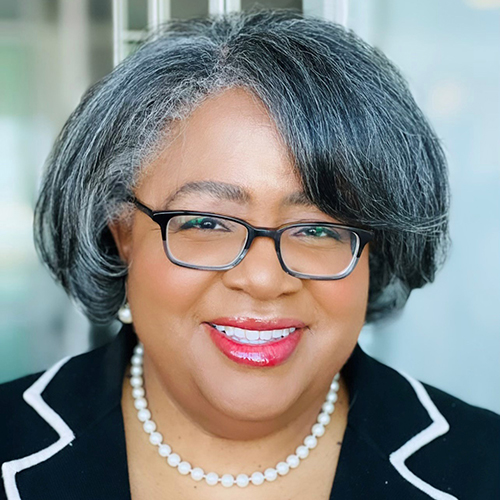
To commemorate Juneteenth, National Partnership President Jocelyn Frye joins Aimee Peoples — our Vice President for Diversity, Equity, Inclusion & Anti-Racism — for a conversation on what the holiday means to her and to the work of our organization.

The new secret weapon for closing the wage gap is strategically implementing new federal infrastructure spending to make sure women, especially women of color, are part of America’s industrial policy revolution.
While May’s data had some bright spots, there are also some concerning findings, especially with cuts to programs like TANF and SNAP looming.

Jaclyn Dean, Director of Congressional Relations-Reproductive Health, gives book recommendations for celebrating AANHPI heritage year round.

Inclusive, comprehensive data on racial and ethnicity is essential for gender justice and the work of the National Partnership.
The job prospects for Gen Z are strong, but young workers face an uncertain economic future that could shape their earnings and careers for years to come.

As we celebrate Earth Day and reflect on the steps we can all take to protect our planet, it’s important to highlight that climate change doesn’t impact everyone equally. Decades of racist policies – from housing to infrastructure to economic policies – often restricted low-income communities and communities of color to areas with more environmental hazards and heavy pollution.