Sunday is Father’s Day. A day when dads everywhere will feel a sense of pride, get their 453rd pair of socks, and if they’re like me, proudly tape an illegible Father’s Day card their daughter scribbled at preschool to their refrigerator.
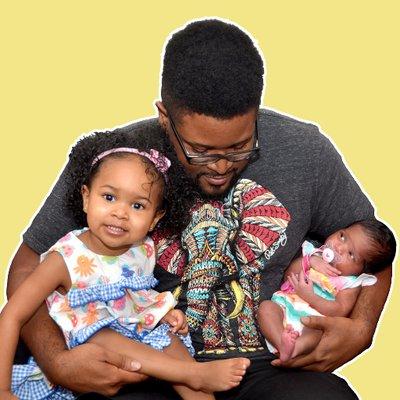

Sunday is Father’s Day. A day when dads everywhere will feel a sense of pride, get their 453rd pair of socks, and if they’re like me, proudly tape an illegible Father’s Day card their daughter scribbled at preschool to their refrigerator.

As we fight for paid sick days and paid family and medical leave laws that allow people to maintain economic security while caring for their loved ones, it is critical that these laws allow time to care for a range of family members.
As we begin 2019 Black History Month, we must renew our commitment to fighting for Black women and families and remember the reality that people of color are uniquely harmed by race discrimination and this harm is exacerbated for women of color by gender discrimination. We must commit to centering our work on people and families of color in order to address all aspects of the racism that permeate our society.

No one should be denied opportunity, dignity, happiness or respect because of where they live or work or how much money they make. But because of our country’s punitive and inadequate policies, that is precisely what happens every day to people deciding if and when to parent.

Last month, Gov. Rick Snyder dealt a blow to democracy by gutting the state’s paid sick time law. This was just one of the intentional subversions of democratic process that occurred in Michigan and Wisconsin in the lame duck sessions.

As we celebrate National Family Caregivers Month, we recognize and honor family caregivers with the theme “Supercharge Your Caregiving.” It’s a time to consider how we may better support the 43.5 million people — the superheroes — who take on family caregiving responsibilities each year.

This Domestic Violence Awareness Month, we honor survivors and continue working on their behalf.
Next week the Senate Judiciary Committee will hold hearings on the nomination of Judge Brett Kavanaugh to fill the open seat on the Supreme Court. If Kavanaugh is confirmed, we fear — and expect, based on his record — that workers’ rights and the rights of women will be in grave jeopardy.
A record number of people in this country – 71 percent of private sector workers – now have access to paid sick days, but shameful disparities continue.
For every immigrant child who finds herself in a strange place, without the parents she loves and needs …

Eighty years ago today, the Fair Labor Standards Act (FLSA) – the cornerstone of labor protections for working people in the United States – was enacted. While its protections for working people remain in place today, so, unfortunately, do its exclusions, which disproportionately harm women and people of color.
Today’s dads aren’t the same as their own fathers. One indication of the change is the fact that fathers in the United States have nearly tripled the time they spend caring for children since 1965. But our paternity leave policies and the uptake of leave haven’t kept up with the change. It’s time to press the update button.
As we mark National Women’s Health Week, it’s important to remember that millions of women cannot earn paid sick days, which would help them care for themselves and their families.
Today, Gov. Phil Murphy signed the Earned Sick and Safe Days Act, making New Jersey the 10th state to enact a paid sick days law and extending the right to earn paid sick days to an additional 1.2 million workers.
Today, Gov. Phil Murphy signed the Earned Sick and Safe Days Act, making New Jersey the 10th state to enact a paid sick days law and extending the right to earn paid sick days to an additional 1.2 million workers.
To call attention to the persistent health disparities women of color face all year, we analyzed U.S. Census Bureau health insurance data for a five-part fact sheet series.
On International Women’s Day, it is difficult to ignore the fact that the United States is an international outlier when it comes to paid leave.
Workers need strong workplace policies – and strong unions – to ensure they are treated with dignity and respect. But working people are under attack.
Unless Congress enacts legislation that will help all women receive higher wages and remain and succeed in the workforce, women and families, and especially women of color, will continue to suffer – and our economy and nation will pay the price.
The Austin City Council approved a paid sick days ordinance this week. When signed into law, the new measure will guarantee paid sick days for more than 210,000 Austinites who currently cannot earn such time.