Over the past year, some workers and their families have rested a little easier knowing they will be able to recover from illness or help a family member do so without sacrificing much-needed income.

Over the past year, some workers and their families have rested a little easier knowing they will be able to recover from illness or help a family member do so without sacrificing much-needed income.
May is Older Americans Month, a time to honor and show appreciation for the older adults in our lives and our communities.
Our nation’s service members make enormous sacrifices for our country – and so do their families.
There’s exciting news out of Florida!
As families throughout the country were making their Mother’s Day plans, some lawmakers were similarly focused on America’s women. But unlike the short-lived events of Mother’s Day weekend, their attention was on the kind of support and family friendly policies mothers and working families need year round.
On Sunday, millions of mothers will be celebrated and honored — some for the first time, and others as part of a fun family ritual.
It is no secret that millions of women are both breadwinners and caregivers for their families, the country is rebuilding its economy, and – at the same time – many federal and state lawmakers are trying to figure out how to reduce spending.
In the past few weeks, we’ve seen paid sick days efforts progress and make headlines in cities and states throughout the country — and support for the federal Healthy Families Act continues to grow in Congress.
Women’s work. Last week, when Hilary Rosen used words she quickly admitted were poorly chosen, we were all reminded that it remains a huge flashpoint in our society.
It’s National Public Health Week — a time when the nation’s public health community unites around one aspect of public health to raise awareness and improve the health of the nation.
Today, as paid sick days activity continues throughout the country, Senator Tom Harkin (D – Iowa) introduced an exciting new piece of federal legislation that could establish a national paid sick days standard and highlights the critical connection between workers’ access to paid sick days and working families’ economic security.
As families across the country enjoy unusually warm weather and prepare for the summer, paid sick days campaigns are heating up too.
By a narrow majority, the U.S. Supreme Court’s decision in Coleman v. Maryland Court of Appeals has eroded the right of millions of state workers to take job-protected leave under the Family and Medical Leave Act of 1993 (FMLA) when faced with a serious illness, injury, or pregnancy.
Every day, nearly three million home care workers in the United States help the elderly and people with disabilities get the daily assistance they need.
A powerful new report released this week paints a dire picture for workers in the restaurant industry.
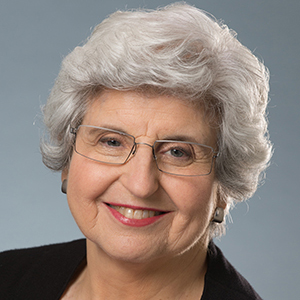
Today, I was honored to join a distinguished group of scholars, advocates, government officials, and legal and policy experts to discuss an issue of critical importance to working women and families in this country: discrimination based on pregnancy and caregiving.
There are more than 10 million restaurant workers in the United States. The majority are women. These are the hosts and hostesses who greet us, the waiters and waitresses who serve us, the bartenders who fill our drink orders, the attendants and dishwashers who clean up after us, set up our tables, and more.
That’s how long it’s been since the Family and Medical Leave Act (FMLA) was signed into law.
On Wednesday morning, at an event sponsored by the Center for American Progress, Senator Tom Harkin (D-Iowa) described for the first time sweeping new legislation that he plans to introduce this spring: the Rebuild America Act.
2011 was a historic year in the effort to guarantee workers the right to earn paid sick days.